

Greetings and a happy new year, dear readers!
This newsletter started three and a half years ago as a way to talk about academic writing more transparently. Somewhere along the way, PNP also became a record of how I left a tenure-track job, moved countries, and built a career that combines aspects of academia that I enjoy with those that are better suited to the life I want to live.
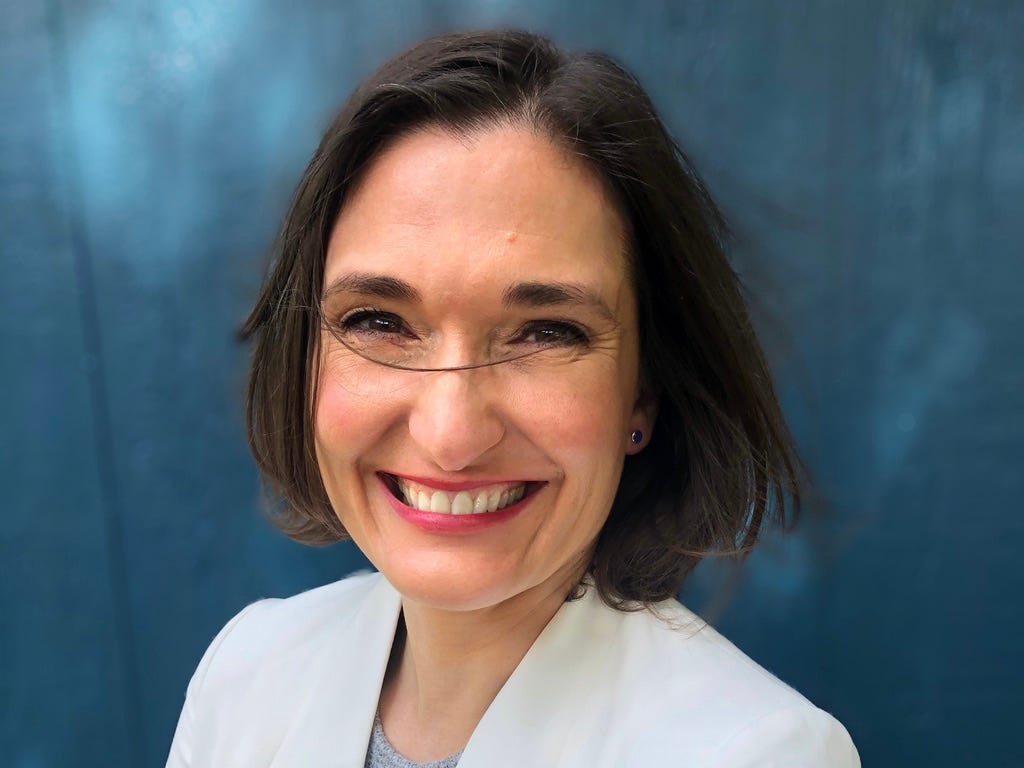
If you’re new here, I’m Jenn. If you’ve been around for a while, you’ve seen pieces of this story already—just not necessarily in one place.
So here’s the longer version: how Publish Not Perish came to be, what I’m doing now, and why I keep thinking about writing the way I do.
Why this newsletter exists
When I first started graduate school, I loved writing, but academia put that love to the test and I started dreading and procrastinating it. I assumed this meant I lacked the intelligence or talent for academic writing and that somehow I had found myself on the wrong career path.
What later shifted that belief was not confidence, but awareness and information. Writing courses, books on process, and conversations with other scholars made clear that what I experienced was not idiosyncratic. Many people struggle with academic writing for a variety of reasons, but the majority of them stem from structural inequalities that lead us to believe that the issue is with us rather than the system.
We are expected to produce complex, publishable work without much guidance on how ideas actually take shape on the page or how to work through the doubt and hesitation that accompany that process. The assumption seems to be that if you were truly cut out for this work, you would simply figure it out. That, my dear readers, is a hazing process that purposefully attempts to exclude some of us.
Publish Not Perish began as an effort to make explicit that these writing challenges are structural, not personal—and that failing to “figure it out” alone is not your fault.
Loving academia, and leaving it
I loved being a professor. I valued the time to think, the opportunity to teach, and the seriousness with which ideas were treated. I relished doing critical feminist work that shed light on the structures and ideologies that continue to oppress. I was fortunate to work with colleagues who cared deeply about scholarship and students and who could argue passionately about equity and television shows in equal measure.
In 2024, I resigned from my assistant professor position.
The decision was shaped by personal circumstances and political realities. What matters here is that leaving academia did not feel like abandoning the life of the mind. It felt like stepping outside a particular institutional arrangement—one that had begun to demand more from me than it gave back.
Read more about my decision to leave academia here:

Changing where—and how—I live
About a year and a half ago, my partner and I moved to the Netherlands. We were interested in a different pace of life and in what it might mean to structure work more deliberately.
Here, my days are less porous. I bike instead of drive. Work occupies defined hours rather than expanding indefinitely, which turns out to be a powerful intervention. Writing fits into a life that also includes rest, movement, and the radical act of stopping when the workday ends.
The change has influenced how I think about productivity and value—particularly the assumption, deeply ingrained in academic culture, that commitment is best demonstrated through exhaustion. (It is not.)

What I miss, and what I don’t
What I miss most about academia is the intellectual community: the shared investment in ideas and the sense that thinking carefully mattered and that it mattered collectively.
What I do not miss are the structural inequities that are often defended as neutral standards or the bureaucratic inertia that makes even modest change feel like climbing Everest without oxygen. I also never adjusted to the geographic immobility the profession often requires. I've always wanted the freedom to choose where I live, but academia forces so many of us to go where the jobs are.
These tensions—between intellectual generosity and institutional rigidity—continue to shape how I think about academic work today, and I frequently share critiques of academic culture, such as this one:

What my work looks like now
I now work as an academic writing coach and developmental editor, supporting researchers as they move complex and important projects forward—often under conditions that make sustained attention and momentum difficult.
The work is less about enforcing productivity or making a manuscript conform than about helping people understand how they actually think, write, and make decisions. I notice when a client realizes they have been writing for an imagined, punitive reader and experiments instead with addressing a thoughtful peer. I notice when someone returns to writing after a long absence and learns to treat consistency as information rather than a referendum on their discipline or work ethic.
Many of the conventional markers of success still follow. Manuscripts are submitted. Articles are published. (Sometimes with fewer sleepless nights than expected.) But my attention is on the process that makes those outcomes possible—and repeatable—rather than on the outcomes alone. That focus allows me to see daily successes with my clients, which is extremely rewarding work.
What informs how I work
I’ve spent much of my life exposed to different ways of working and being in the world. I lived outside my home country for twelve years, starting in childhood, and I’ve never fully internalized the idea that there is a single “normal” way to structure a life or career—an idea academia clings to with impressive determination.
I’m dyslexic and didn’t learn to read until I was ten. I’m also increasingly attentive to the possibility that I’m ADHD, a lens that has helped me reinterpret past struggles with focus, energy, and productivity—not as failures of discipline, but as predictable consequences of misaligned expectations.
I’m currently taking a neurodivergent-inclusive coaching course, which has reinforced something I already believed but hadn’t always articulated: one of my central strengths as a coach is a commitment to you as an individual with unique strengths, challenges, and circumstances. I do not assume that the strategies that work for one scholar should work for another or that there is a single correct way to write, plan, or sustain intellectual work.
My clients bring different brains, bodies, histories, constraints, and ambitions to the page. My role is to meet them there—and to help them build approaches that make sense within the realities of their lives, rather than in spite of them.
Looking ahead
This year, I’ll continue writing here about academic writing as it is actually experienced: uneven, emotionally charged, shaped by institutions, and constrained by real lives.
I’m interested in what helps people keep going—not through grit alone, but through understanding how they work and why certain approaches fail, even when they are widely recommended.
If you’ve been reading for a while, thank you. I appreciate my dear readers so very much. If you’re new, welcome. I’m glad you found your way here.